
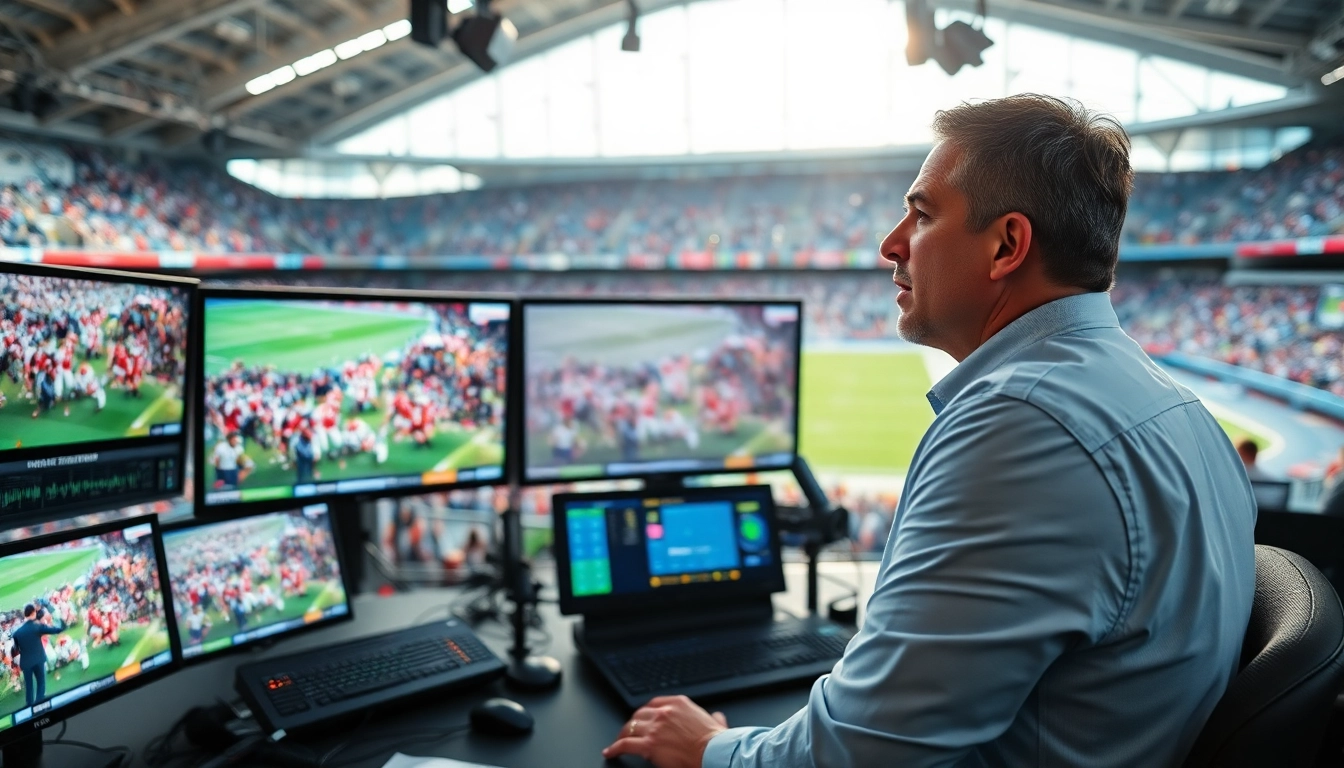
Understanding Sports Broadcasting
Defining Sports Broadcasting and Its Importance
Sports broadcasting is a specialized field focused on the live presentation of sports events to a broad audience via television, radio, and digital platforms. Its significance lies not just in showcasing athletic talent but also in creating a shared communal experience that captivates millions. With the rise of diverse media choices, how audiences engage with sports has evolved, making effective Sports Broadcasting more crucial than ever. The blend of entertainment, information, and the thrill of live action drives viewer loyalty and interest, resulting in higher ratings and revenues for broadcasters.
Historical Evolution and Milestones
The journey of sports broadcasting has been transformative, originating in the early 20th century when radio broadcasts made sports accessible beyond the physical stadium walls. The advent of television in the 1950s revolutionized this medium, allowing audiences to immerse themselves in live events without being present. Iconic moments, such as the 'Game of the Century' in 1954—where college football teams clashed at pivotal moments—marked milestones in broadcasting history. By the 21st century, the incorporation of high-definition television and digital streaming has further etched sports broadcasting into the cultural fabric, making it more interactive and engaging for the viewer.
Key Platforms in Sports Broadcasting
Across the globe, various platforms dominate the sports broadcasting landscape. Conventional television networks continue to operate, with channels dedicated solely to sports. Meanwhile, online platforms such as YouTube, Twitch, and specialized streaming services offer alternatives that allow fans to watch their favorite sports on-demand and from anywhere in the world. Social media channels have also emerged as platforms for real-time updates, highlights, and interaction during live events. Understanding these various mediums is pivotal for broadcasters aiming to reach diverse audiences effectively.
Fundamentals of Sports Broadcasting
Essential Tools for Effective Broadcasting
To achieve excellence in sports broadcasting, it is critical to leverage a blend of technology and creativity. Essential tools include high-quality cameras, microphones to capture commentary, and advanced editing software that aids in producing engaging content. Additionally, using graphics and statistics enhances storytelling, providing the audience with a fuller understanding of the games. Broadcasters must also invest in reliable transmission technology to ensure seamless delivery of high-definition content, resulting in a rich viewer experience.
Roles and Responsibilities of Commentators
Commentators serve as the voice of the game, performing crucial roles that transcend mere play-by-play descriptions. They provide analysis, background information, and context for the viewers, enriching the narrative surrounding each match. Effective communication, a deep understanding of the sport, and the ability to engage with the audience are essential traits of a successful commentator. In addition, their presence can bolster a network's brand, making their responsibilities very relevant in terms of viewer engagement and loyalty.
Types of Sports Broadcasting: Live vs. Recorded
Sports broadcasting can be categorized into live and recorded formats. Live broadcasts provide an array of immediate excitement, allowing viewers to experience events in real-time. This format fosters a sense of urgency and community as fans watch together, often being the highlight of the week's programming. Conversely, recorded broadcasts cater to audiences who might miss live events, offering edited highlights and more in-depth analysis. The choice between these formats often depends on the type of sport, the target audience, and broadcasting goals.
Enhancing Viewer Engagement in Sports Broadcasting
Techniques for Captivating an Audience
Captivating an audience requires a multifaceted approach. Utilizing storytelling techniques, broadcasters can create emotional connections by highlighting athletes' personal journeys or critical game moments. Incorporating expert analyses and informed opinions during broadcasts can foster a deeper understanding among viewers. Pre-game and post-game shows further engage fans, allowing them to delve deeper into discussions beyond the final score.
Utilizing Social Media in Sports Broadcasting
Social media has fundamentally altered how audiences consume sports, enabling real-time interactions and fan engagement. Broadcasters can amplify reach by streaming events live on platforms like Twitter, Instagram, and Facebook, simultaneously encouraging discussions and sharing highlights. Utilizing polls, live chats, and Q&A segments can build a sense of community among viewers, transforming the sports experience into an interactive dialogue rather than a one-way communication route.
Interactive Features to Boost Engagement
Incorporating interactive features such as virtual reality experiences, polls on game predictions, and apps that allow for customized content delivery can significantly enhance viewer engagement. Technologies such as gamification create interactive experiences where fans can earn rewards for participating in surveys or quizzes during broadcasts. This level of engagement nurtures loyalty and excitement around upcoming games.
Challenges in Sports Broadcasting
Addressing Technological Limitations
The sports broadcasting landscape faces technological challenges such as bandwidth limitations and the varying quality of internet access in different regions. These factors can hinder live streaming quality, impacting the viewer experience. Continuous investments in upgrades and technology evolution are essential for broadcasters striving for excellence. Collaborating with tech companies can help overcome these barriers, allowing for more seamless broadcasts.
Navigating Legal and Ethical Issues
Legal complexities, including broadcasting rights and intellectual property, pose significant challenges in sports broadcasting. Rights holders often dictate who can broadcast specific games or events, and navigating these agreements can be tricky. Ethical considerations also come into play, particularly regarding the portrayal of athletes and sports organizations. Broadcasting entities must strive for transparency and uphold ethical standards to foster trust and credibility with their audiences.
Handling Live Broadcasting Crises
Live broadcasting necessitates real-time problem-solving, which can become critical during unforeseen circumstances such as equipment failures or adverse weather conditions. Being prepared with contingency plans and having a skilled production team can mitigate potential issues. Developing clear communication strategies ensures that viewers remain informed, preserving audience trust and engagement during crises.
Future Trends in Sports Broadcasting
Consumption Shifts and Audience Behavior
The evolution of sports broadcasting is significantly influenced by changing audience behaviors. As more viewers migrate toward streaming platforms over traditional TV, the need for adaptive content delivery becomes evident. Younger audiences prefer short, digestible video content, compelling broadcasters to evolve their strategies continually. Recognizing these trends allows sports organizations to target specific demographics effectively while enhancing viewer experiences.
The Role of Analytics in Broadcasting Strategy
Data analytics plays a pivotal role in shaping sports broadcasting strategies. By analyzing audience engagement metrics and viewer preferences, broadcasters can tailor their offerings, whether it be content format, timing of broadcasts, or promotional tactics. This data-driven approach enhances audience satisfaction, ensuring chances of viewer retention and attraction of new fans.
Emerging Technologies Shaping the Future
Emerging technologies such as artificial intelligence, augmented reality, and blockchain are poised to revolutionize sports broadcasting. AI can automate aspects of production, including highlights selection and real-time statistics display, while augmented reality can provide immersive viewing experiences. Blockchain technology could also streamline rights management processes, allowing for transparent and direct connections between content creators and viewers.
FAQs About Sports Broadcasting
What is sports broadcasting?
Sports broadcasting involves the live telecast or streaming of sports events and related content to audiences via various platforms like TV and online channels.
What equipment is essential for sports broadcasting?
Essential equipment includes high-definition cameras, professional microphones, editing software, and reliable transmission systems to deliver quality broadcasts.
How do commentators engage viewers during broadcasts?
Commentators engage viewers by providing insightful analysis, storytelling, and real-time updates, enhancing the viewing experience and creating connections.
What are common challenges in sports broadcasting?
Common challenges include technological limitations, legal issues surrounding broadcasting rights, and the need to manage emergencies effectively during live events.
What trends are influencing the future of sports broadcasting?
Trends include shifts toward streaming services, the incorporation of analytics for better audience understanding, and the adoption of emerging technologies like AI and AR.